
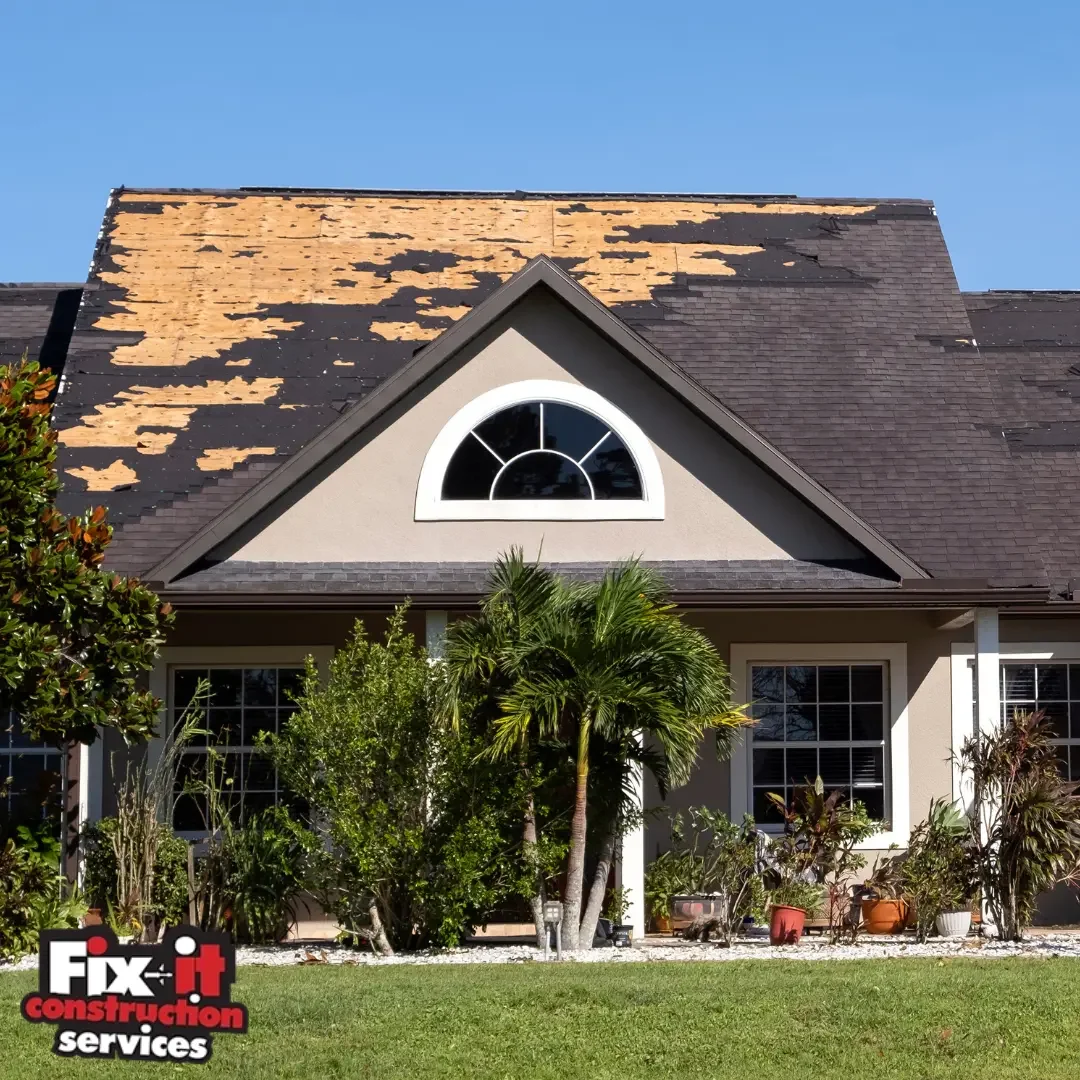
Residential home with extensive storm shingle damage exposing roof decking
The Shenandoah Valley's Storm Season Creates Real Property Risk
The weather that Harrisonburg and Rockingham County experience through the spring and early summer months reflects the Shenandoah Valley's specific atmospheric character as the geographic corridor that the Blue Ridge Mountains to the east and the Allegheny Mountains to the west create as the drainage path for the moisture-laden air masses that Virginia's spring weather pattern delivers through the region with the concentrated intensity that the valley's topographic channeling produces. The severe thunderstorms, the high wind events, the hail activity, and the occasional significant tornado threat that the Shenandoah Valley's spring storm season delivers to Harrisonburg area homes all create the property damage scenarios that the first twenty-four hours after those events specifically require homeowners to manage with both the physical safety and the documentation discipline that the subsequent repair and insurance process depend on.
The Harrisonburg area's housing stock creates specific storm vulnerability considerations that the regional construction eras and the diverse property types across Rockingham County produce as the damage profile that significant storm events reveal in different ways across the service area's residential and commercial inventory. The older downtown Harrisonburg homes whose aging roofing systems and the original construction details they carry present different storm vulnerability conditions than the newer Rockingham County suburban developments whose more recent construction reflects current building standards. The rural and transitional properties in the broader Shenandoah Valley that combine residential structures with outbuildings, large tree canopies, and the agricultural infrastructure that rural Rockingham County properties carry face the additional storm damage dimensions that those specific property characteristics create.
Understanding what the first twenty-four hours after a significant Shenandoah Valley storm event require from a homeowner, how to document damage accurately before any repair activity obscures the evidence that insurance claims specifically require, and how to distinguish the immediate safety priorities from the assessment and repair activities that should follow only after confirmed safety gives Harrisonburg area homeowners the practical framework that storm events do not allow time to research after the fact.
Immediate Safety: Before Assessment or Documentation
Electrical hazard assessment is the unconditional first priority after any significant storm event that affected the Harrisonburg property. Downed power lines at or near the property, interior electrical system concerns that water infiltration into panel or junction positions creates, and the structural compromise that significant wind or impact damage creates at the building positions where electrical system components operate all represent the safety assessment that precedes any entry into damaged spaces or any exterior property movement in the storm event's immediate aftermath.
Do not approach downed power lines under any circumstances. Contact Rappahannock Electric Cooperative or the applicable Virginia utility serving the property's position immediately if downed lines are present, and maintain distance until the utility has confirmed the line is de-energized. Interior electrical concerns including panel positions that water has reached, outlet and switch positions that are wet, and any burning odor that storm-related electrical damage creates warrant the professional electrical assessment that confirms safety before the building is reoccupied.
Structural integrity assessment before entering significantly damaged spaces evaluates whether the visible damage to the roof structure, the wall assemblies, or the foundation positions that the storm event affected creates the collapse risk that damaged structural systems present in the aftermath of the high wind, hail impact, or falling tree loading that significant Shenandoah Valley storm events create. A roof whose structural integrity the storm compromised presents the collapse risk that damaged attic and ceiling positions communicate before visual inspection confirms the extent of that structural compromise.
Gas line concern management for the Harrisonburg area properties whose natural gas service creates the leak risk that storm damage to the gas service entry, the interior gas distribution, or the appliance connections the storm may have stressed all warrant the immediate utility contact and the outdoor evacuation that any gas odor following a storm event unconditionally requires before any other property assessment activity proceeds.
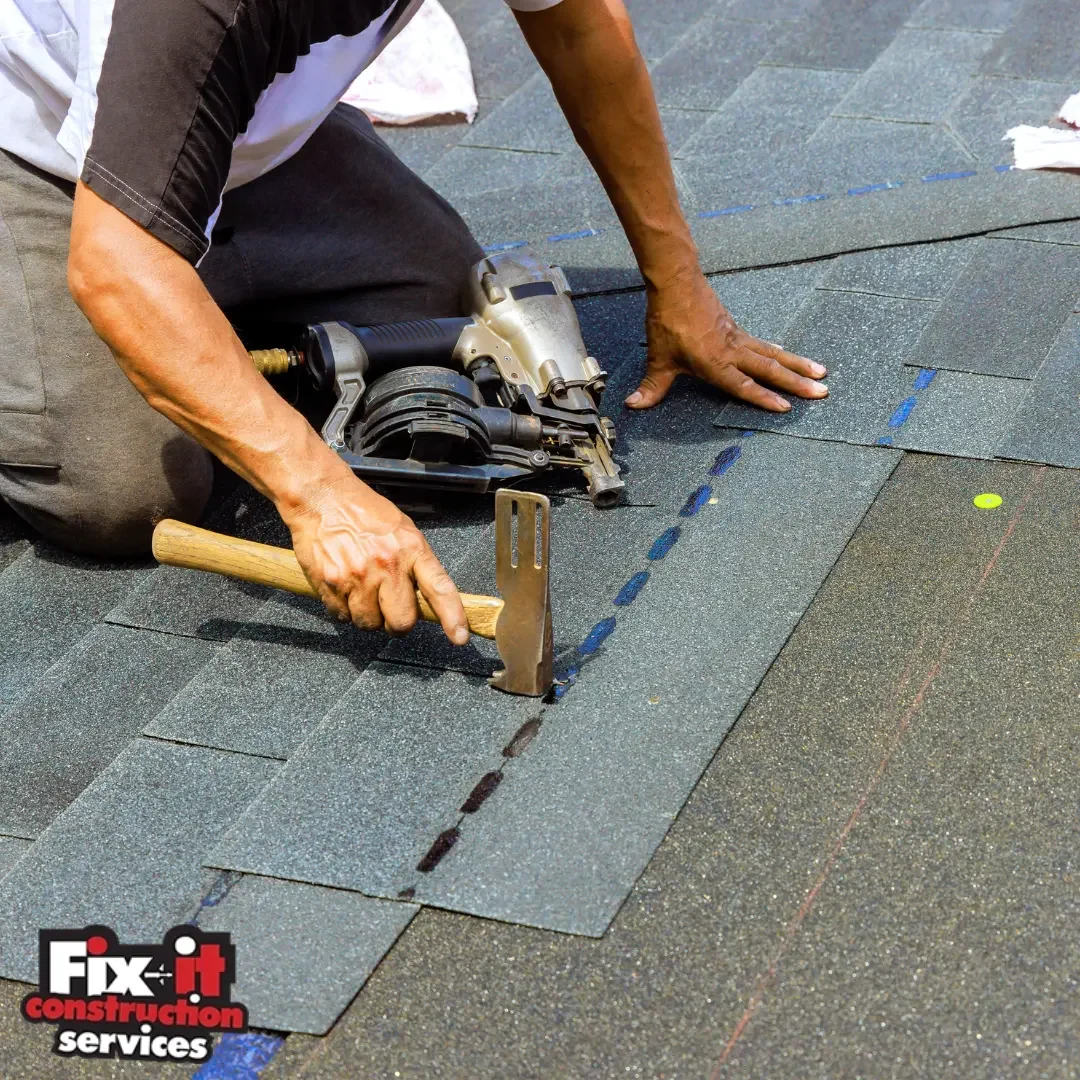
Roofer installing asphalt shingles with a nail gun during storm repair, Harrisonburg VA
Documentation: The Insurance Foundation
Photographic documentation before any cleanup or temporary repair is the single most important action a Harrisonburg homeowner can take in the hours immediately following storm damage because the insurance adjustment process that determines the repair funding the claim provides depends on the pre-cleanup damage evidence that photographs taken before any material is moved, covered, or removed provide. The roofing shingles displaced by the storm, the window glass that the impact or pressure damage shattered, the siding sections that high wind removed from the building envelope, and the interior water infiltration that compromised roofing allowed into the living spaces all represent the damage evidence that insurance adjusters evaluate from the pre-cleanup photographic record rather than the post-cleanup conditions that repair activity obscures before the adjuster's inspection visit.
Comprehensive exterior documentation photographs every affected building position from multiple angles, captures the ground debris field that the storm created at the property perimeter, documents the adjacent tree and landscape damage that establishes the storm event's intensity at the specific property location, and records the utility infrastructure conditions at the property that storm impact affected before utility crews address those positions. The time-stamped photographic record that smartphone documentation provides creates the insurance claim foundation that repair timing and the adjuster's schedule constraints do not allow to be reconstructed after cleanup has proceeded.
Interior damage documentation at every position that water infiltration, structural movement, or impact penetration reached captures the ceiling staining, the wall moisture, the flooring conditions, and the personal property damage that the storm's building envelope penetration created inside the affected Harrisonburg home before any drying, cleaning, or repair activity addresses those interior conditions.
Temporary Protection: Stopping the Ongoing Damage
Emergency tarping of compromised roofing positions after the photographic documentation that insurance claims require has been completed stops the ongoing water infiltration that open roofing positions allow during the subsequent rainfall events that the Shenandoah Valley's active spring storm season delivers in rapid succession after the initial event. The roofing damage that a significant Harrisonburg storm created does not wait for insurance adjustment and permanent repair scheduling before the next precipitation event tests the compromised positions again.
Contacting Your Insurance Company in the First 24 Hours
The insurance notification that storm damage requires in Harrisonburg and the surrounding Shenandoah Valley communities should happen within the first twenty-four hours of the event because the claim timeline that most homeowner insurance policies establish begins at notification, and the adjuster scheduling, the temporary repair authorization, and the claim processing that adequate insurance recovery requires all depend on the prompt notification that policy terms specifically reward through faster claim advancement.
Document the claim contact with the time and date of the call, the claim number the insurer assigns, the adjuster's name and contact information, and any specific instructions the insurance representative provides about the documentation, the temporary repair authorization, and the contractor engagement that the specific policy's claim process requires. Those notes create the claim management record that disputes about coverage, authorization, and repair scope occasionally require as the documented communication history the claim process created.
Temporary repair authorization from the insurance carrier before significant temporary repairs are undertaken protects the claim by confirming that the carrier has authorized the temporary measures the property requires rather than the unauthorized repairs that some policies treat as owner-directed modifications that can complicate the claim scope. Emergency tarping and the immediate water infiltration prevention that the Shenandoah Valley's continued spring rain activity makes urgently necessary typically qualify as the emergency protective measures that carrier notification before those temporary repairs specifically confirms.
Avoid signing repair contracts with any contractor who appears at the Harrisonburg property unsolicited in the storm event's immediate aftermath offering emergency services, rapid deployment, or special storm-response pricing. The storm-chasing contractor activity that significant storm events attract to affected communities throughout Virginia requires the same careful vetting that any contractor engagement warrants, and the signed contracts some of those contractors present in the storm's immediate aftermath can create the repair authorization and payment complications that the property owner's insurance claim process did not benefit from.
What Fix-It Construction Services Provides in Storm Response
Licensed, bonded, and insured storm response from an established Harrisonburg contractor whose local reputation and regional construction knowledge the Shenandoah Valley's residential community has validated through the service history Fix-It Construction Services has built across the region provides the storm repair quality that significant property damage specifically requires from the professionals who address it. The structural assessment, the emergency tarping, the roofing repair, and the building envelope restoration that comprehensive storm response involves all benefit from the local contractor relationship that the Harrisonburg community's established construction professional provides rather than the out-of-region contractors that significant storm events attract to affected communities without the local accountability that established regional presence creates.
Roofing assessment and repair following Shenandoah Valley storm events evaluates the shingle condition, the underlying deck integrity, the flashing positions at vulnerable roof transitions, and the ridge and edge conditions that high wind and hail impact create in roofing systems across the range of the regional housing stock's construction eras. The roofing systems of Harrisonburg's older housing stock present different assessment considerations than the newer Rockingham County residential development's more recent installations, and the local construction knowledge that those era-specific conditions require informs the repair scope that accurate assessment delivers rather than the standard scope that unfamiliarity with the regional housing stock's specific conditions produces.
Siding and building envelope repair after high wind events addresses the siding displacement, the soffit and fascia damage, and the building envelope penetrations that the wind speeds that Shenandoah Valley severe thunderstorms deliver create in the residential cladding systems of affected Harrisonburg properties. The building envelope's moisture exclusion function, which the storm damage specifically compromised at those affected positions, requires the repair quality that restores that function before the subsequent precipitation events that the active spring storm season delivers test those positions again.
Interior water damage assessment at the positions that storm-related roofing and building envelope compromise allowed moisture infiltration into evaluates the extent of the moisture penetration, the structural and insulation conditions those infiltrated positions carry, and the drying and restoration scope that adequate remediation requires before mold establishment advances in the moisture-affected building assembly positions that the Shenandoah Valley's warm, humid spring and early summer conditions specifically accelerate.
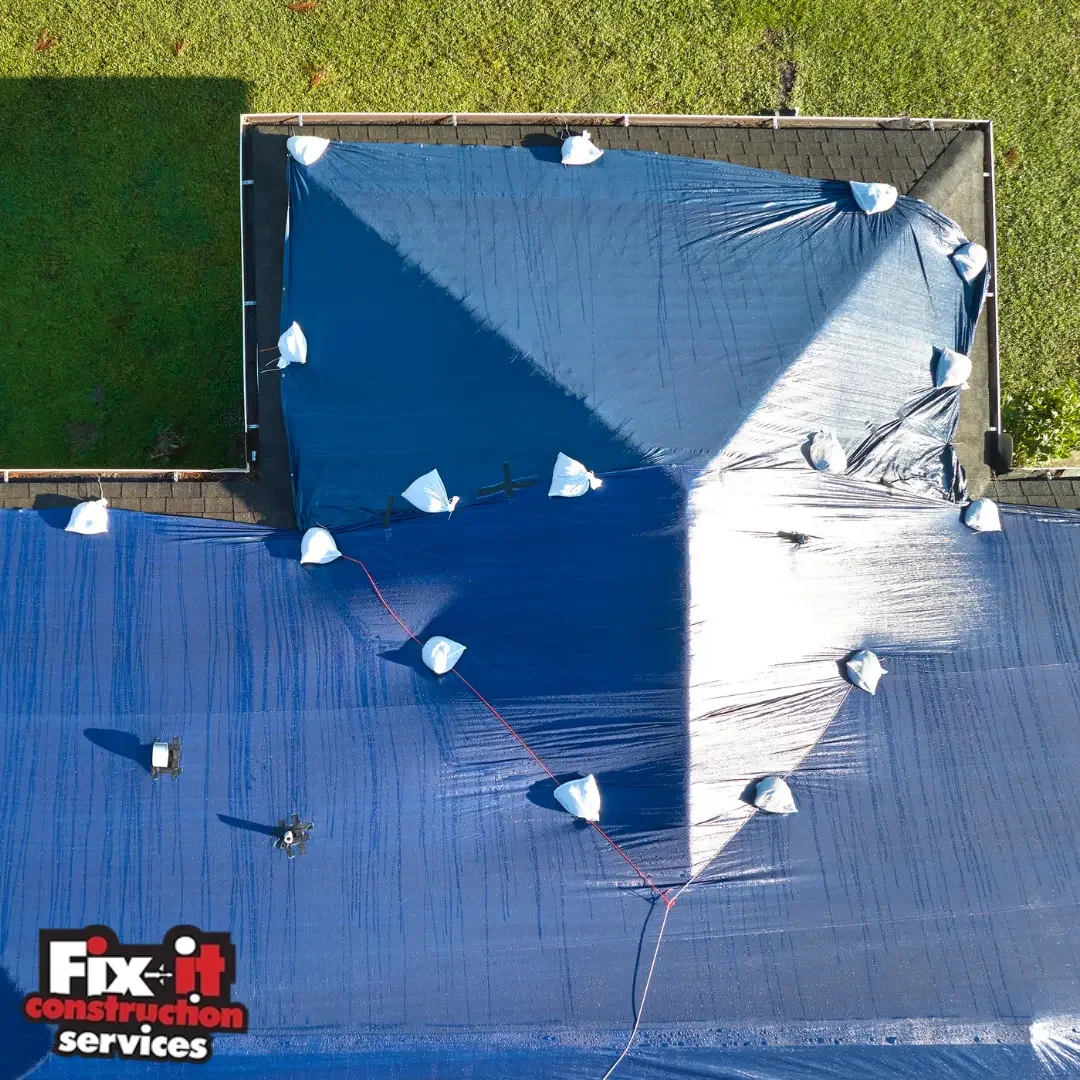
Aerial view of a residential roof covered with emergency blue tarps weighted with sandbags after storm damage, representing the temporary protection
After the First 24 Hours: The Recovery Process
Insurance adjuster coordination with Fix-It Construction Services provides the contractor-adjuster interaction that experienced storm repair professionals navigate more effectively than homeowners without construction knowledge manage independently. The repair scope documentation, the material specifications, and the labor assessment that the adjuster's evaluation requires all benefit from the contractor presence that ensures the adjustment reflects the complete repair scope the property requires rather than the reduced assessment that incomplete damage identification produces when the homeowner manages that adjuster interaction without professional construction support.
Permit coordination for the storm repair work that Rockingham County and Harrisonburg's building permit requirements govern confirms that the structural, roofing, and building envelope repairs the storm damage requires are completed to the code standards that permitted work satisfies and that the inspection process validates before the homeowner's insurance carrier closes the claim against the completed repair.
Frequently Asked Questions
How quickly should emergency tarping happen after Harrisonburg storm damage? As quickly as safely possible after photographic documentation is complete. The Shenandoah Valley's active spring storm pattern delivers subsequent precipitation events rapidly after significant storm activity, and the unprotected roofing positions that emergency tarping specifically addresses cannot wait for insurance adjuster scheduling before the next rainfall tests those compromised positions. Fix-It Construction Services provides emergency response for the urgent temporary protection that storm damage requires before permanent repair scheduling proceeds.
Should Harrisonburg homeowners get multiple repair estimates after storm damage? The insurance claim process typically requires or benefits from contractor estimates that establish the repair scope and cost. Fix-It provides the detailed repair estimates that insurance claims specifically require and that the adjuster's scope determination benefits from having as the professional assessment of what the storm damage actually requires to restore the property to pre-storm condition.
What storm damage is most common in Harrisonburg area homes? Roofing shingle displacement and damage from high wind events and hail activity represents the most consistently identified storm damage category across the Harrisonburg residential market. The Shenandoah Valley's topographic channeling of storm systems concentrates wind speed at the valley floor positions where the regional residential inventory sits, and the roofing systems of the older Harrisonburg housing stock carry the age-related vulnerability that those wind speeds specifically test. Siding damage and gutter displacement follow roofing damage as the most common storm repair categories across the service area.
How do I know if storm damage warrants an insurance claim or an out-of-pocket repair? The deductible that the homeowner's policy carries establishes the financial threshold that claim decision-making specifically requires. Minor storm damage whose repair cost falls below the deductible amount does not financially benefit from the claim process. Significant roofing damage, structural impact, or the building envelope compromise that extensive repair requires typically warrants the claim process that the insurance coverage the homeowner has been paying specifically provides for those events.
Does Fix-It Construction Services work directly with insurance companies? Fix-It works cooperatively with the insurance carriers whose adjusters assess storm damage at Harrisonburg area properties, providing the repair documentation, the scope assessments, and the professional construction input that the adjustment process benefits from when the contractor whose work will restore the property is present for and involved in the scope determination that the insurance recovery provides funding for.
Harrisonburg Properties Restored After Every Shenandoah Valley Storm Season
The storm damage that significant Shenandoah Valley spring weather events create in Harrisonburg and Rockingham County homes is a manageable situation when the first twenty-four hours are handled with the safety priority, the documentation discipline, and the professional contractor engagement that adequate storm response specifically requires. Safety confirmed before assessment. Documentation completed before cleanup. Insurance notified before major repair commitments. An established local contractor engaged before out-of-region storm chasers create the repair complications that their unsolicited approaches specifically produce in storm-affected communities throughout Virginia. Fix-It Construction Services has the local knowledge, the licensed construction expertise, and the established Harrisonburg community presence to help property owners navigate storm damage from the emergency response through the complete restoration that every affected property deserves.
Phone: 540-298-1776 Website:https://www.fixitrepairs.net/
Serving Harrisonburg, VA and the surrounding Shenandoah Valley communities with quality craftsmanship and the service your home deserves.
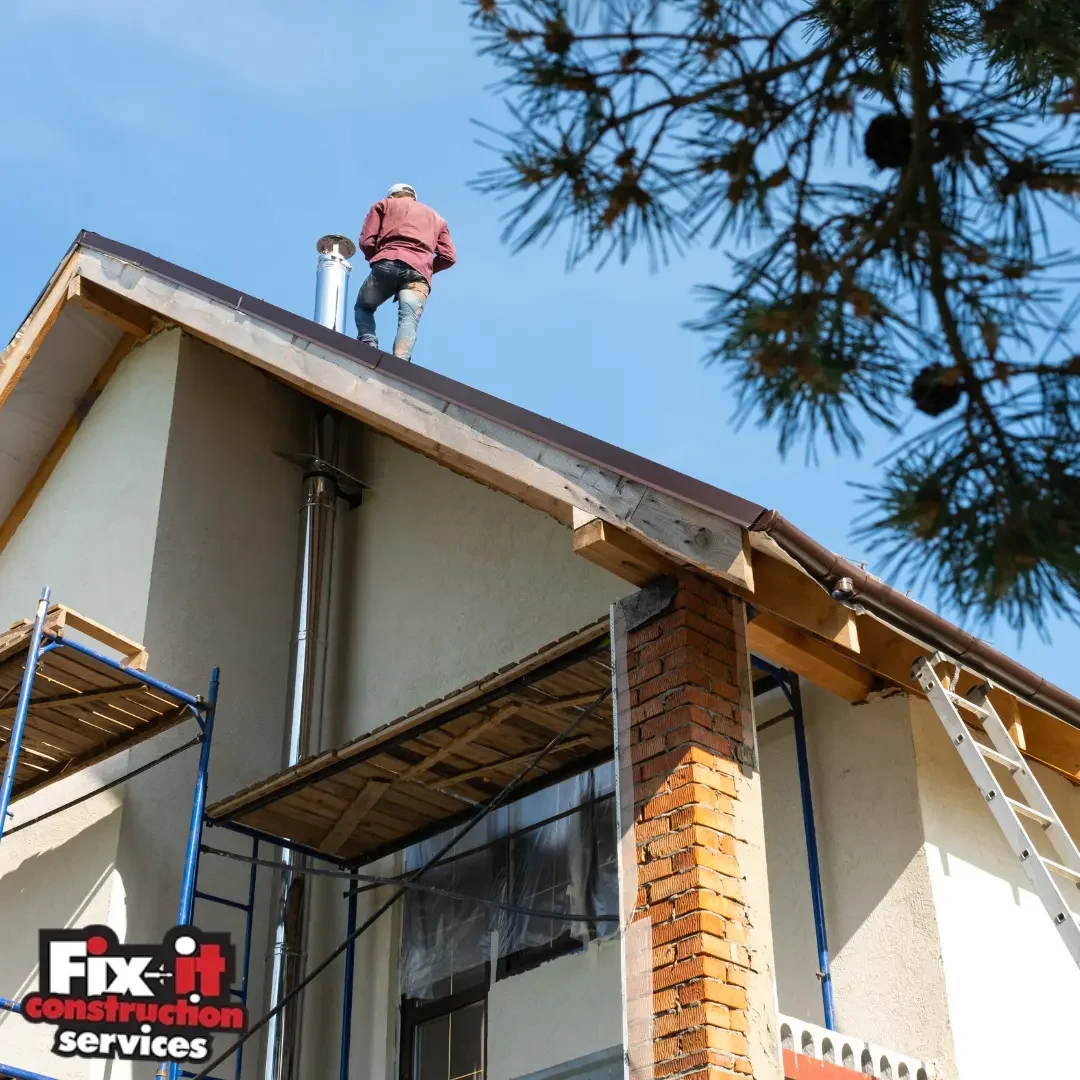
Contractor standing on a residential roofline during storm repair with scaffolding and ladders staged below
